

The concrete line pump is the definitive solution for high-volume, precise concrete placement. It is defined by its continuous pipeline, placing your mix precisely over long distances where it needs to go, saving time and labor. It is an ideal choice for a wide range of construction projects, including high-rise building pours and infrastructure development, consistently delivering exceptional efficiency and precision.

So, How does it improve construction efficiency in complex working conditions? How do you choose the right line pump for your project? Here I will provide a comprehensive analysis of this critical equipment from multiple perspectives.
Why Adopt The Concrete Line Pump Rather Than Traditional Methods?
In modern construction, especially for high-rise buildings, subway tunnels, underground spaces, or complex, special-shaped structures, concrete pouring is often the bottleneck in project progress and one of the most troublesome issues for construction teams.
❓❓❓Have you ever encountered the following situations:
- The construction deadline is tight, but the pouring speed can’t keep up, causing delays in subsequent processes?
- A concrete pump truck can’t enter the narrow construction site, requiring manual handling, which is inefficient and costly?
- The construction environment is complex, such as underground garages and closed tunnels, where large equipment can’t enter?
- High-rise pouring is highly dangerous, and the pumping process is unsettling, fearing safety accidents?
- The concrete pour is uneven, resulting in honeycombs and rough surfaces, affecting structural strength and acceptance?
These traditional pouring methods have caused delays in construction schedules, increased construction risks and costs, and many engineering teams feel helpless about this.

Line concrete pump: Providing An “Integrated Delivery Solution” for Complex Construction
In contrast, the emergence of the line pump concrete provides a new, efficient, flexible, safe, and precise solution to these challenges. It utilizes a fully hydraulic drive system to deliver concrete directly to the pouring location through delivery pipes, eliminating the need for complex equipment and extensive manual labor. It truly achieves the goal of “wherever you point, it delivers precisely and efficiently.”
Traditional pouring vs. Line concrete pump: A Comparison Reveals the Advantages
| Traditional method | VS. | Line Pump | Benefits |
|---|---|---|---|
| Slow speed, reliance on manpower, discontinuous pouring | Construction efficiency | Fast and continuous pumping, significantly shortening pouring time | Save construction time and speed up payment collection |
| Pump truck can’t get in? Manual labor can’t reach it? Difficult! | Site adaptability | Flexible pipelines can enter narrow, closed and complex spaces | Not restricted by terrain, suitable for 90%+ construction sites |
| High-altitude pumping and manual handling are risky | Safety | Ground pumping to reduce high-altitude and dangerous operations | Reduce accident rate, safer and more reliable |
| Prone to unevenness, segregation, and honeycombing | Casting quality | Stable pressure, dense pouring, and more controllable quality | Improve structural strength and help pass acceptance |
| High manpower, difficult equipment scheduling, and high hidden costs | Overall cost | One-time investment, multiple reuse, more economical in the long run | Reduce overall construction costs |
Faced with the triple challenges of “speed, safety, and quality” in construction, concrete line pumps with their efficiency, flexibility, precision, and safety, have become the primary choice for increasing numbers of construction companies.
Diverse Selection of Line Pumps for Sale
Depending on the construction environment, project scale, frequency of movement, and operation method, they are primarily divided into two types: ground line concrete pump for sale and truck mounted concrete line pump for sale. Each type has its own unique advantages, and application scenarios. Below, we’ll introduce each type in detail to help you quickly determine which best suits your needs.
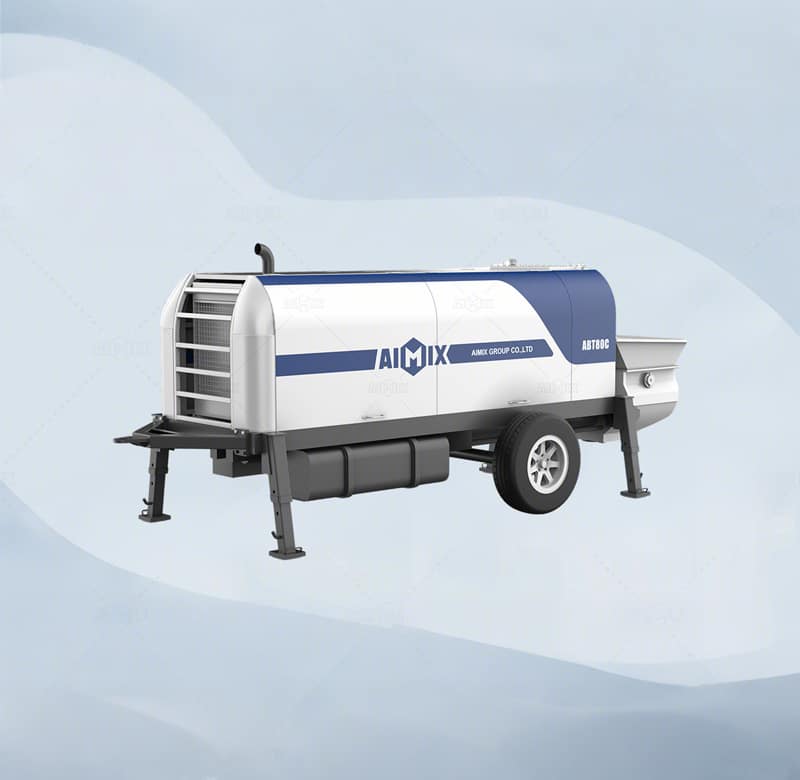
Ground Line Pump: The “Foundation of Concrete Pouring” for A Fixed Position and Continuous Operations
Capacity: 30-90 m³/h
Engine: diesel or electric type
Pumping distance: 300-500 vertical; 1000-2000m horizontal
Features:
- Installed on a flat, solid surface, secured by outriggers;
- Flexible piping layout allows for optimal pouring path design based on site conditions;
- Easy maintenance and long-term operation make it suitable for 24-hour continuous operation.
Applications:
- Fixed construction sites, such as large residential communities, commercial complexes, bridge caps, subway stations, and other projects requiring long-term continuous pouring;
- Projects requiring high pumping stability and long-distance conveying capacity, such as high-rise core walls and large base plates.

Truck mounted Line Pump: A “Flexible Hero” for Mobile Operations
Chassis: truck chassis
Capacity: 40-100 m³/h
Equipment Features:
- Integrated with a truck chassis, it offers self-mobility for rapid deployment to various sites;
- Highly maneuverable and adaptable to flexible deployment, making it an efficient solution for rapid deployment.
Applications:
- Construction scenarios involving multiple sites and frequent relocation, such as medium-sized construction projects, road repairs, municipal engineering, and rental businesses;
- Emergency construction, emergency repairs, and short-term projects require rapid on-site deployment.
Each type of line pump for sale is a core piece of equipment for concrete delivery in modern construction. Choosing the right equipment will significantly improve your construction efficiency and project success rate.
6 Areas Where Line Concrete Pumps Deliver Exceptional Cost Efficiency
Mobile concrete line pumps for sale offer significant economic benefits across a wide range of applications, thanks to the flexible piping and long-distance delivery capabilities. What projects are line pumps near me suitable for? Which projects are most cost-effective and efficient? The following six typical application areas are where they maximize their value and may be the solution your project needs.
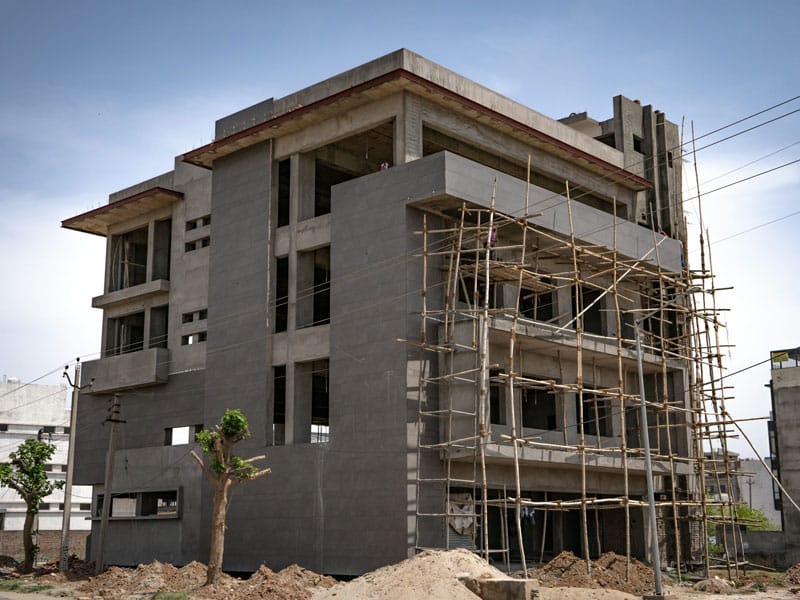
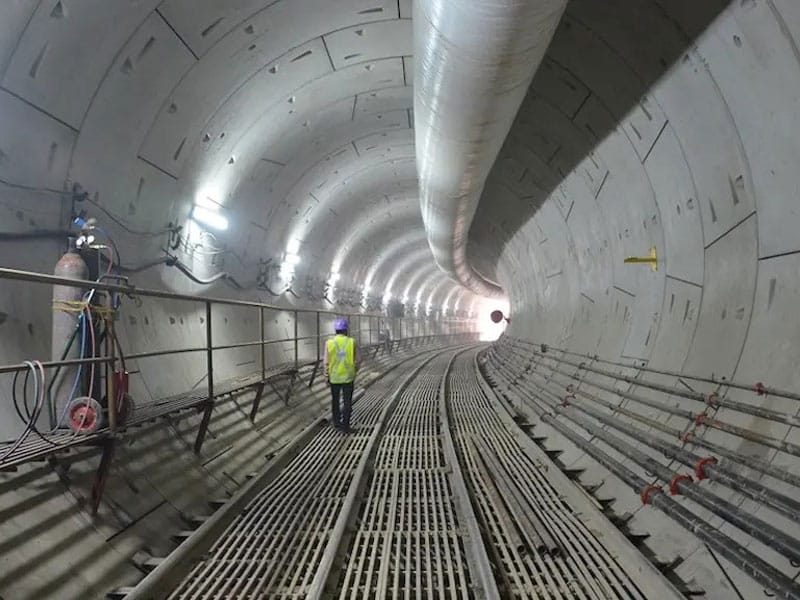
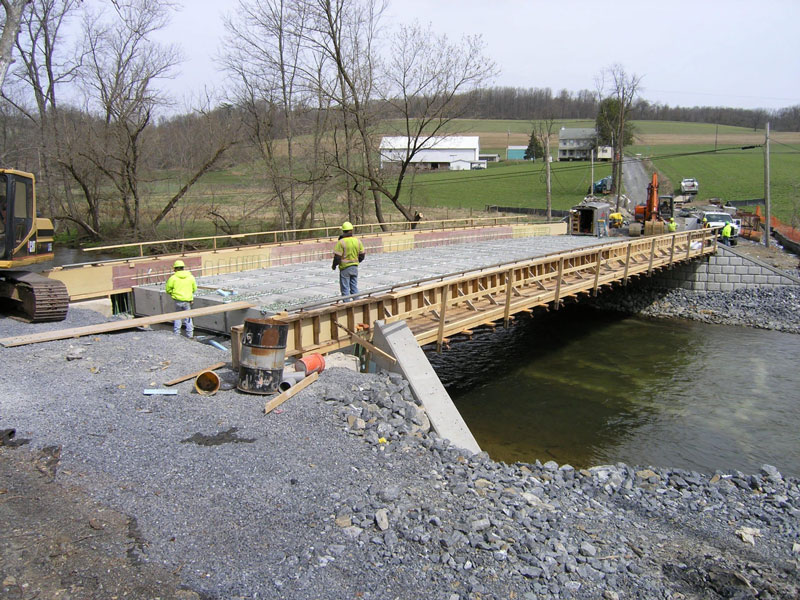

High-Rise Building Construction
In high-rise building construction, line pumps are particularly suitable for pouring concrete floors. Since high-rise buildings often face difficult-to-access sites for pump trucks, they can overcome this challenge by delivering concrete over long distances, ensuring high-quality and efficient concrete during construction.
Underground Projects
Underground projects such as subway tunnels, underground parking lots, and civil air defense projects often require concrete pouring in relatively narrow and complex environments. The concrete line pump for sale can flexibly navigate these spaces, ensuring uniform concrete placement and reducing construction risks.
Bridges and Tunnels
Precise concrete pouring is crucial in bridge and tunnel construction. Whether it’s piers, box girders, or continuous beams, it can provide stable concrete delivery, meeting the construction requirements of various structures and ensuring project safety and durability.
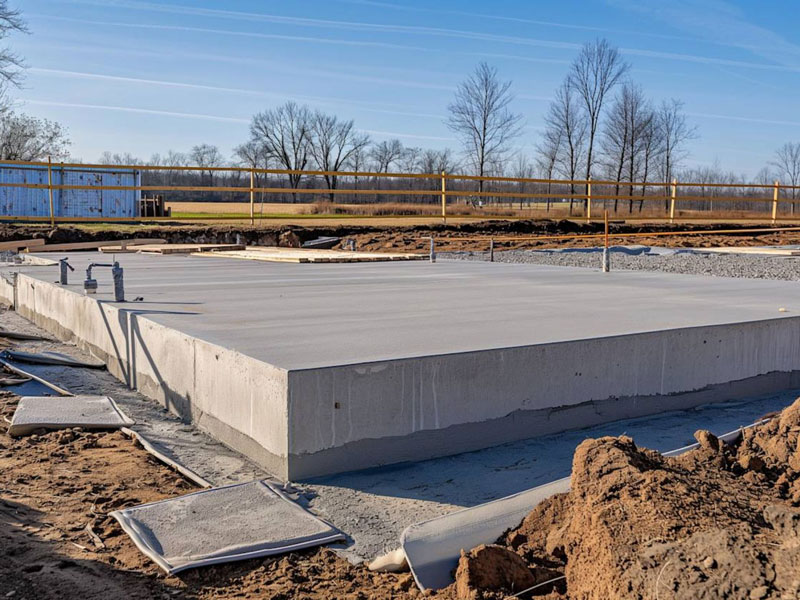
Large Foundation Slabs
For pouring large equipment foundations and water conservancy project slabs, the stationary concrete pumps can complete large-scale concrete pouring in one operation, reducing construction time and improving project efficiency. Their high efficiency enables smooth project progress even under tight budgets.
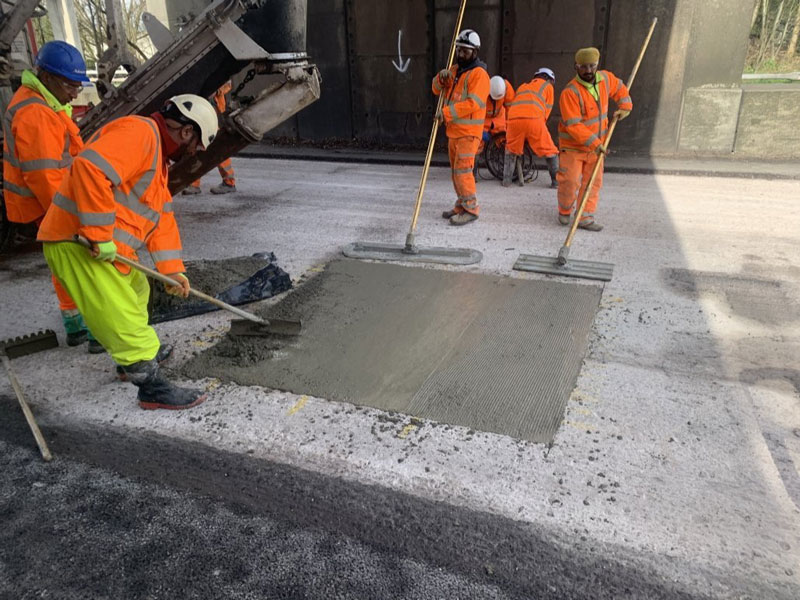
Municipal Engineering
Municipal engineering projects, such as road repairs and drainage pipe backfilling, often require rapid construction. The efficiency and flexibility of mobile concrete pumps enable rapid response in municipal engineering projects, improving construction efficiency and reducing construction schedules.
Emergency and Repair Projects
In emergency projects such as post-disaster reconstruction and rapid road repair, time is of the essence. The concrete pump lines can be quickly deployed to ensure rapid concrete delivery and pouring, helping to reduce recovery time and enhance emergency response capabilities.
“Cost-effectiveness” goes beyond just the rental or purchase price of the equipment; it encompasses the overall return on investment. Regardless of the project’s scale, whether it involves continuous concrete pouring, special construction environments, or demands high efficiency and quality, the line pumpcrete is an excellent choice for reducing costs, increasing efficiency, and ensuring a smooth project execution.
Next, we’ll showcase some applications of AIMIX line pumps to further illustrate their advantages and effectiveness across various projects.
Applications of Line Pump: See How It Overcome Major Engineering Problems
A thousand theories are worth a single demonstration. AIMIX line concrete pumps have earned a strong reputation in projects around the world for their outstanding performance and reliability. Below, here are several cases to demonstrate how AIMIX pumpcrete line pump has delivered significant value to customers in diverse environments.
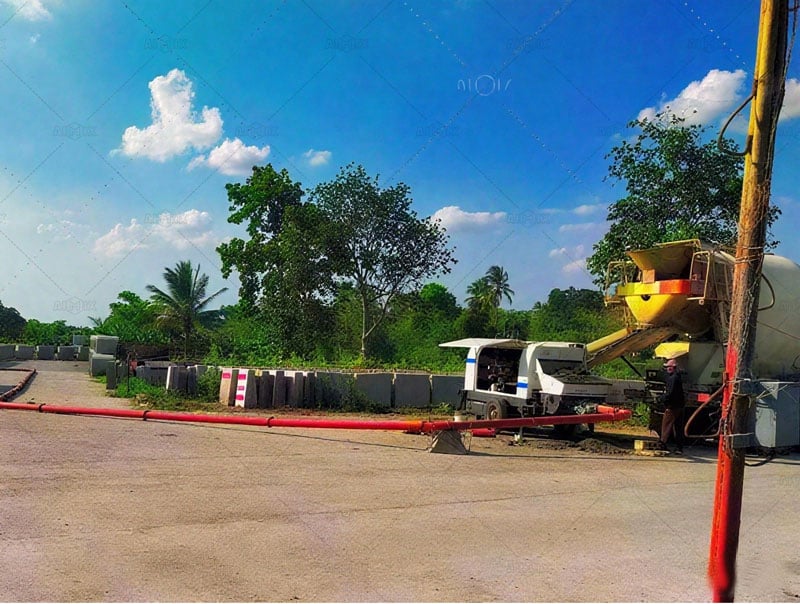
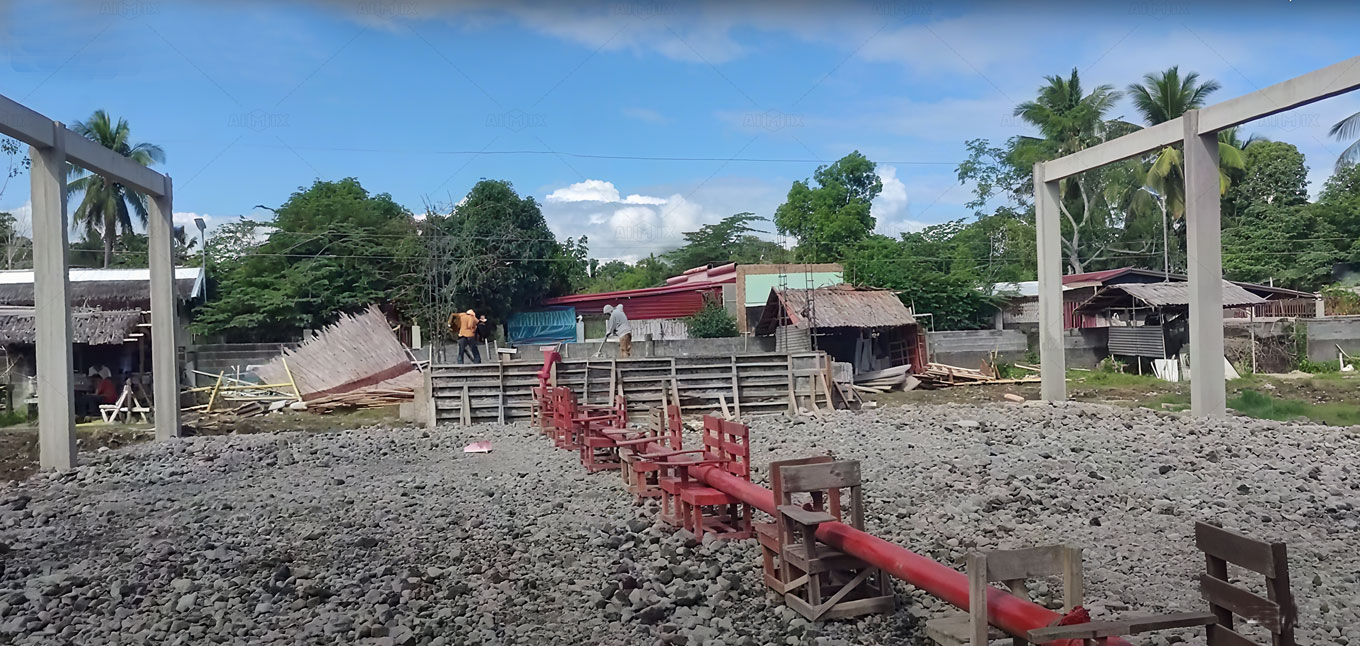
ABT40C Diesel Line Pump for 1000 m² Warehoue Construction
- Challenges: Large warehouse size, wide pouring area. Strict schedule, requiring continuous pouring process.
- AIMIX Solution:Adopting a ABT40C diesel concrete pump, the 300m pipeline was laid directly to the warehouse interior. Achieving “one-stop piping, comprehensive coverage.”
- Customer Feedback: “Thanks for AIMIX concrete line pumping, it has increased pouring efficiency by approximately 40% compared to traditional methods. In addition, compared to the concrete line pump truck for sale, it has saved over 30% in machinery and equipment costs for the project, resulting in an extremely high return on investment.”
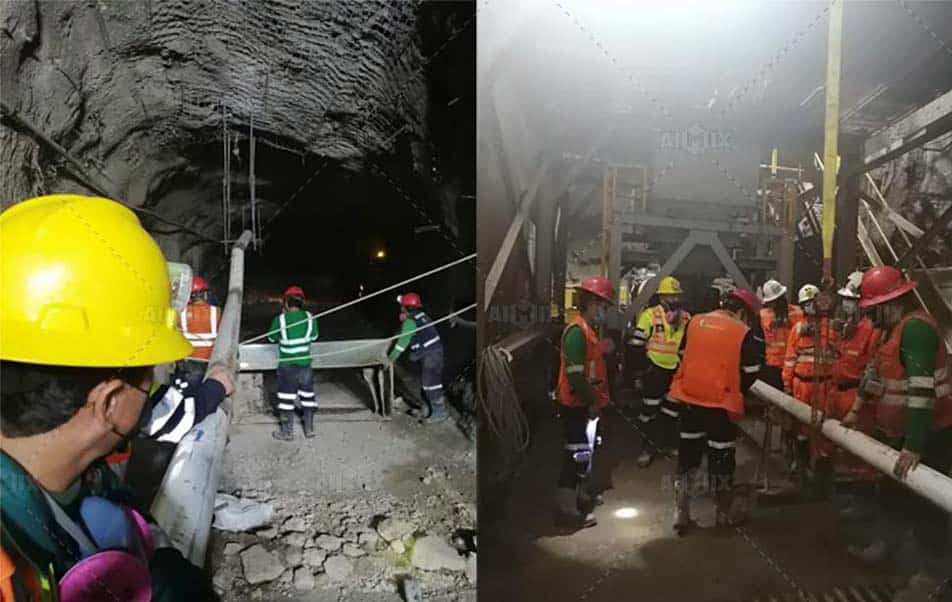
ABT80D Electric Line Pump for 120m Tunnel Construction
- Project Challenges: The subway hub station is three stories deep, with a 20-meter foundation pit. A 120-meter-long, 2.5-meter-thick slab of over 3,000 cubic meters needed to be poured all at once.
- AIMIX Solution: The project team used a ABT80D electric cement line pump with durable high-pressure pipes. The system ran smoothly throughout the 3-day continuous pour.
- Customer Feedback: “The durability and low failure rate of AIMIX concrete pumps exceeded expectations, preventing cold joints and ensuring the quality and safety of the hub station.”
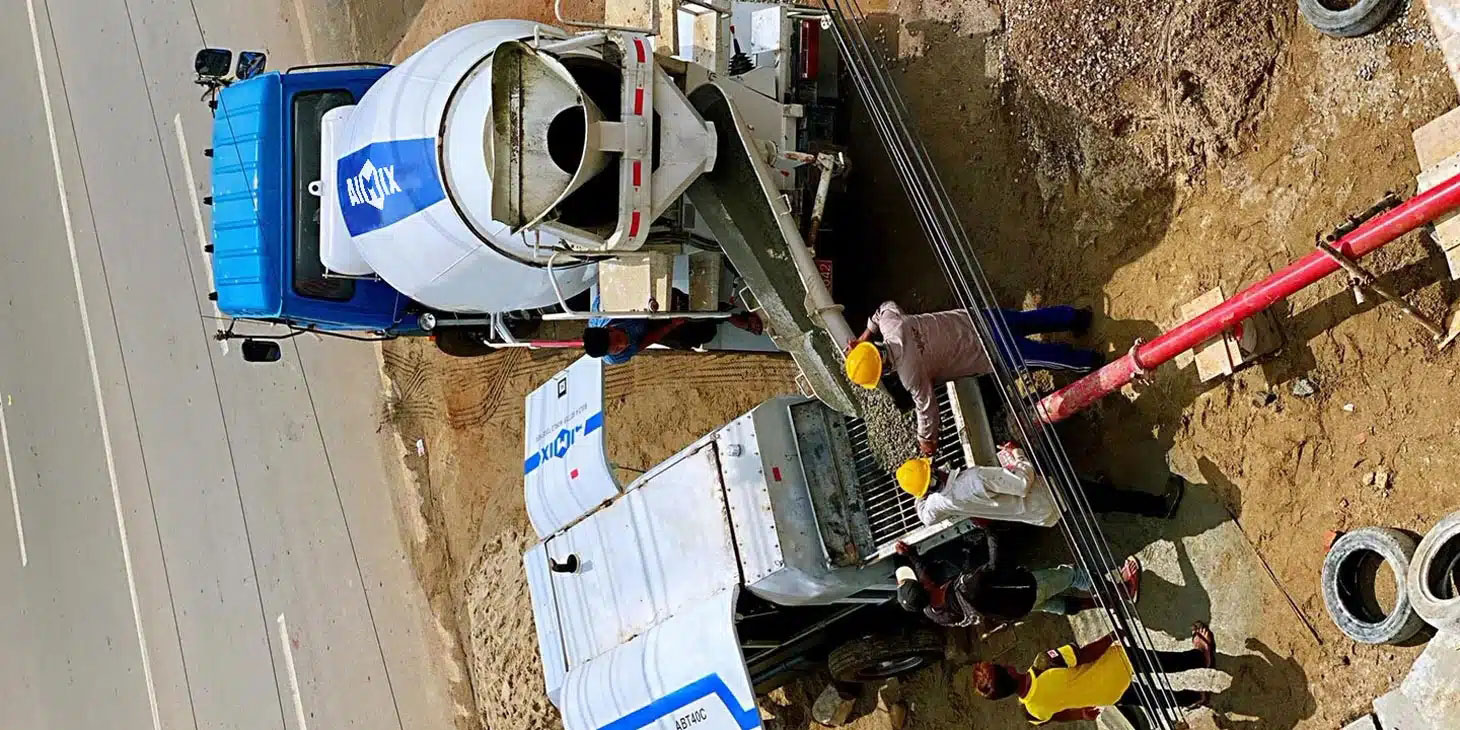
ABT40C Diesel Concrete Line Pump Used for High Rise Buildings
- Challenges: The hotel is located in the city center, with a narrow site and heavy traffic. Traditional concrete pump trucks could not enter in, making concrete delivery difficult.
- AIMIX Solution: We recommend the AIMIX ABT60C diesel trailer pump for laying 80 meters of vertical pipeline. Its powerful pumping pressure prevents concrete segregation, and diesel power ensures smooth progress in the early stages of construction.
- Customer Feedback: “The pump line concrete solved the height problem, and its stable output pressure gave us confidence when pouring C60 high-grade concrete. The construction progress was 15 days ahead of schedule.”
How to choose The Right Model for Your Projects: Analysis of Key Parameters
There are many types and models of concrete line pumps for sale on the market. How can you choose a concrete pumping machine that truly suits your project needs, is cost-effective, and reliable? To make an informed decision, you need to comprehensively evaluate multiple dimensions, including core parameters, usage scenarios, and power type.
Pumping capacity (m³/h) — Determining pouring efficiency
- Purchasing Tips: Based on your project’s planned hourly concrete pouring volume, choose a pumping capacity that matches or slightly exceeds your requirements.
- Note: Pumping capacity does not equal actual concrete pouring volume; it also depends on factors such as concrete slump, aggregate size, and piping layout.
This is the most direct indicator of a line pump’s efficiency. If your project requires high-volume, rapid concrete placement, you’ll need equipment with a higher pumping capacity, typically 80-120 m³/h or higher. For small to medium-sized projects, equipment with a capacity of 40-80 m³/h will meet your needs.
Maximum Pumping Distance and Height – Ensuring “Delivery”
- Clarify the maximum pouring height and horizontal distance for your project;
- Select a model with sufficient pumping pressure and suitable conveying performance. If necessary, confirm suitability for specific working conditions with the supplier.
- Generally, mid to high-end line pumps can support vertical pumping distances of 200 to 300 meters and horizontal conveying distances of 1000 to 1200 meters (depending on the model and configuration).
It includes the horizontal pumping distance and vertical pumping height, and is the core performance parameter for measuring the conveying capacity of a concrete line pump.
Purchasing Recommendations:
Power type – electric or diesel? Choose according to the use environment
Different power types are suitable for different construction environments. Improper selection may affect the operation of the equipment or even make it unusable.
| Power type | Advantage | Applicable Scenarios |
|---|---|---|
| Electric type | Low noise, no emissions, low operating costs and simple maintenance | Fixed construction sites with stable power supply (such as urban buildings, mixing plants, and factories) |
| Diesel type | Independent of the power grid, highly adaptable, and can be used outdoors and in environments without electricity | Remote construction sites, field construction, municipal engineering, and areas without power supply |
Still hesitating about choosing the right line concrete pump? Contact our professional equipment consultants. We’ll tailor-make recommendations for the most suitable model and configuration based on your project type, construction environment, and pouring requirements, ensuring you purchase with confidence and efficient operation!
Maintenance and of Line Concrete Pumps: Guide to Extending Life
To ensure long-term efficiency of concrete line pumps, regular maintenance is crucial. Here are some key strategies to extend the life of your equipment:
Daily Checks
-
Conducting a thorough daily inspection helps identify potential issues early, preventing larger problems. Key check points include:
- Hydraulic Oil Level: Ensure the hydraulic oil is within the normal range. Low oil levels can reduce pumping efficiency.
- Pipe Connections: Check all pipe connections for tightness to prevent leaks and air bubbles.
- Lubrication Points: Regularly lubricate all moving parts to ensure smooth operation.
- Electrical System: Inspect electrical connections to ensure the electrical system is functioning properly.
Regular Replacement of Wear Parts
-
Certain parts of the concrete line pump wear out over time and can affect performance. Regularly replacing the following parts is essential:
- Delivery Seals: Worn seals can lead to leaks, impacting pumping efficiency.
- Filters: Change filters regularly to keep the hydraulic system clean and prevent damage.
- Hydraulic Oil: Change hydraulic oil based on usage frequency to maintain system efficiency.
Preventing Clogs
-
Clogs are a common issue with concrete line pumps. To prevent them, control the concrete’s consistency and avoid large aggregates and impurities from entering the pipes:
- Control Concrete Consistency: Ensure the concrete mix is balanced to avoid difficulties in pumping due to high or low slump.
- Screen Aggregates: During concrete preparation, screen aggregates to minimize impurities.
Troubleshooting
-
Quickly diagnosing and addressing issues is vital for the smooth operation of concrete pumps. Common problems and their solutions include:
- Pressure Issues: Check the hydraulic system and pipes for leaks or blockages.
- Weak Pumping: Review the concrete mix and pumping system, making adjustments as needed.
- Oil Leaks: Inspect seals and pipe connections, replacing or repairing as necessary.
Good maintenance habits can significantly extend the life of line concrete pumps and reduce downtime due to faults. By performing daily checks, regularly replacing wear parts, preventing clogs, and effectively troubleshooting, you can keep your equipment in optimal condition for efficient concrete pumping.
Join Us,Become a Distributor
Every construction project starts with trust — trust in equipment, in people, and in partnership. At AIMIX, we believe success is built not just on concrete, but on strong relationships and shared growth.

If you share our passion for innovation, reliability, and helping contractors achieve more, then you’re exactly who we want by our side. Becoming an AIMIX distributor means joining a global network that’s transforming the way concrete is delivered and placed across the world. We’ll stand with you every step of the way, from marketing and training to after-sales support and local promotion, ensuring that your business thrives as our brand grows in your region.
Welcome to contact us now to explore distribution opportunities and start your journey as an AIMIX line pump distributor!