


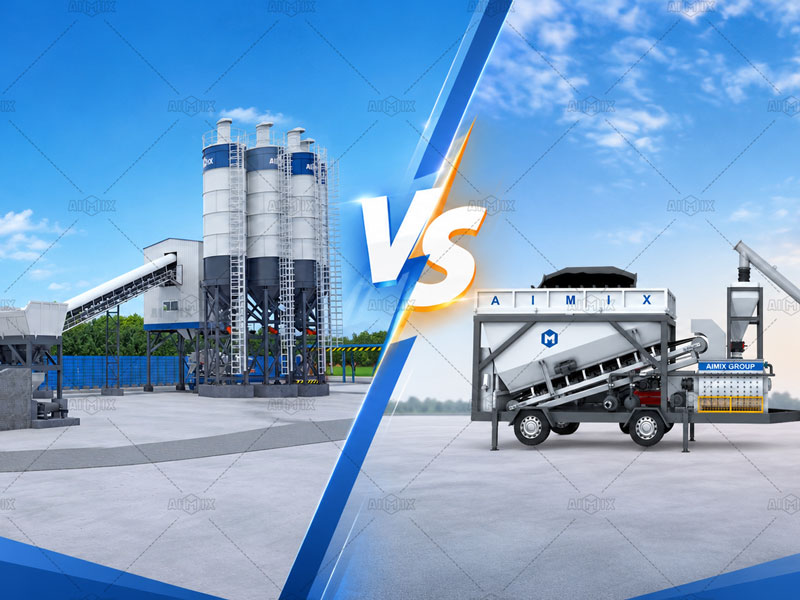
The main difference between stationary and mobile concrete batching plants is their installation and relocation. A stationary concrete batching plant is designed for long-term concrete production at a fixed location, while a mobile concrete batching plant uses a transportable chassis or modular structure for easier relocation between construction sites. These differences affect installation time, site requirements, and production planning. The right configuration depends on how long the plant will operate at one location and how often it needs to be moved.
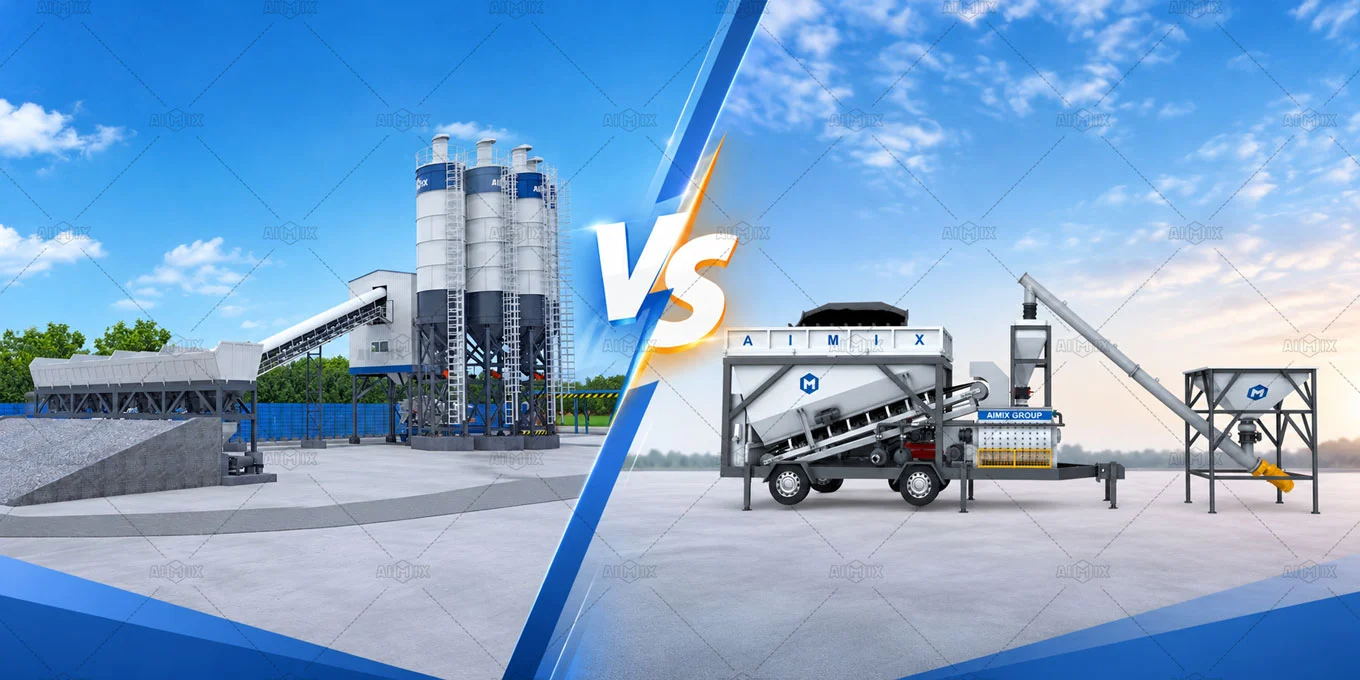
What is Stationary Concrete Batching Plant?
A stationary concrete batching plant is a fixed, ground-mounted concrete production facility that requires large foundation work before operation. It is assembled with separate modules and stays in one location for the whole project cycle.
Core components
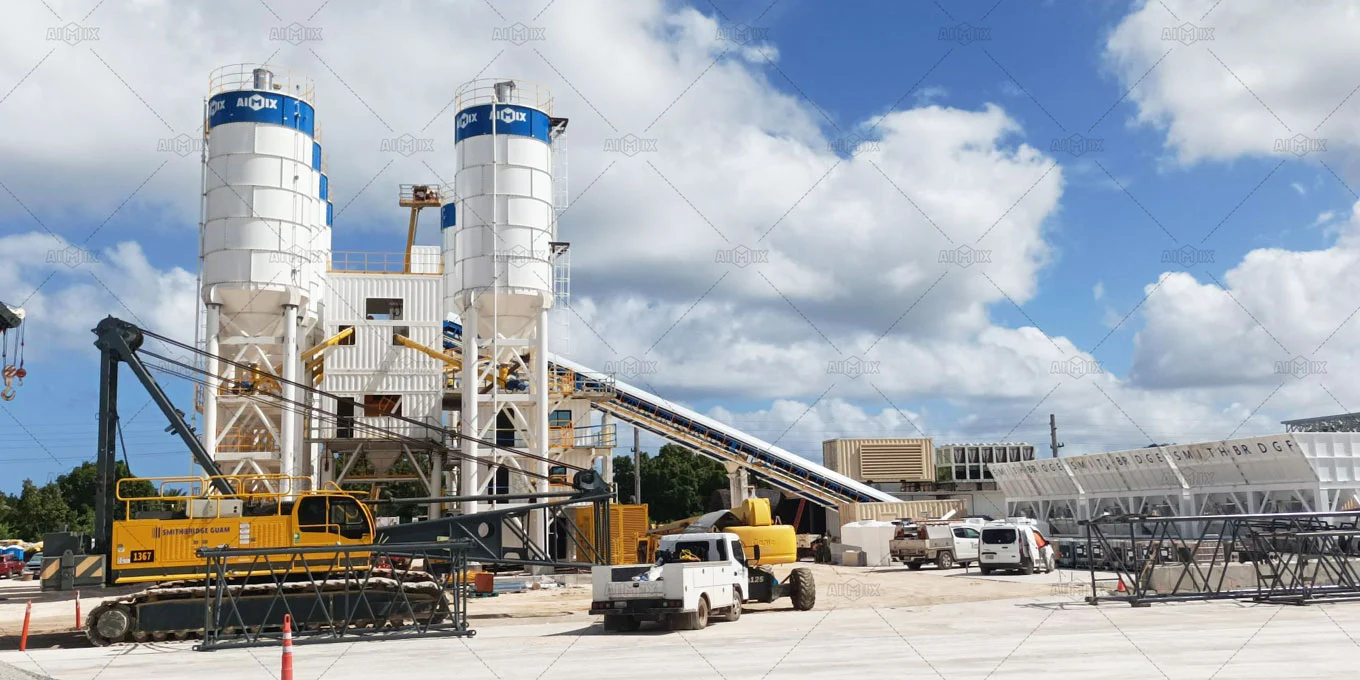
It includes aggregate bins, aggregate feeding system, belt conveyor, cement silos, screw conveyors, concrete mixer, weighing system and control sytem. These components work together to measure and mix raw materials according to the required concrete mix design.
Typical working scenarios
It fits long-term, large-scale construction jobs, such as commercial ready-mix concrete factories, highway main projects, dam and large residential zone developments where concrete demand is continuous and high.
Key Characteristics
The stationary concrete plant provides a dedicated production layout that can be configured around the required output, aggregate storage, material supply, and concrete dispatch workflow. Its equipment arrangement and supporting infrastructure are planned to meet the project’s production and site requirements.
What is Mobile Concrete Batching Plant?
A mobile concrete batching plant integrates all main batching units onto one or more trailer chassis. It is designed to be towed and relocated between job sites without heavy permanent civil works.
Core components
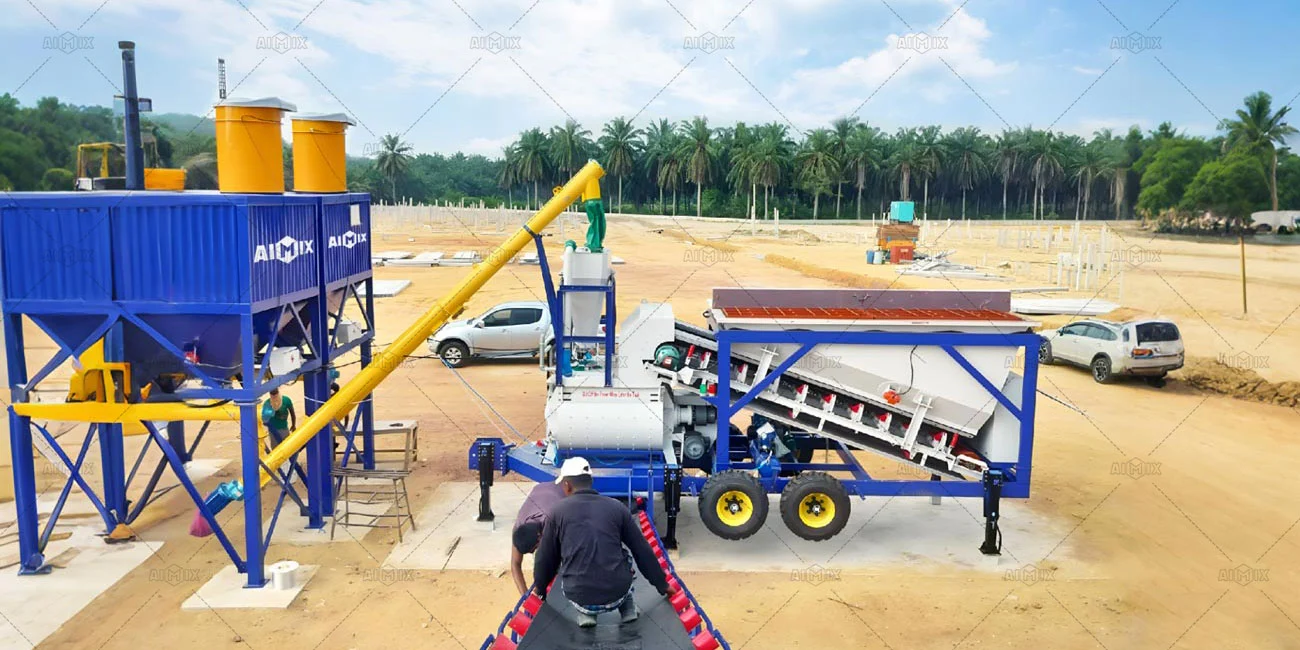
The trailer-mounted unit combines aggregate hoppers, weighing system, mixer, control cabinet and supporting frame. It retains full batching functions while keeping all parts compactly integrated.
Typical working scenarios
It is widely used for road construction, bridge works, remote infrastructure projects, and construction programs spread across multiple locations. They suit projects that require on-site concrete production and equipment relocation as work progresses.
Key Characteristics
A mobile batching plant is designed to facilitate transportation and redeployment. Its mobile chassis-based configuration can help organize equipment for handling, assembly, and site setup. Actual relocation procedures, installation time, foundation requirements, and commissioning work depend on the specific model and site conditions.
Stationary vs. Mobile Concrete Batching Plants: Key Differences
Stationary and mobile concrete batching plants differ in installation, mobility, production capacity, site requirements, and operating costs. The following table summarizes the main differences to help you identify the right configuration for construction projects.
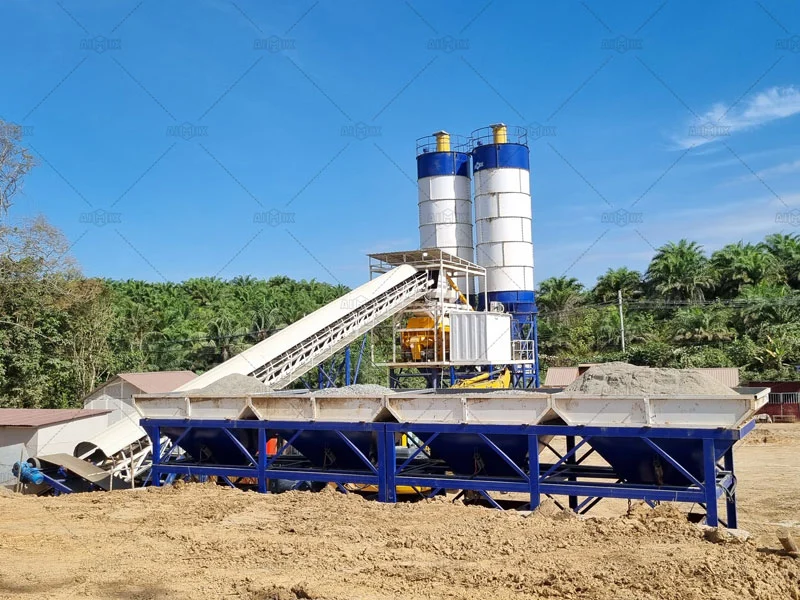

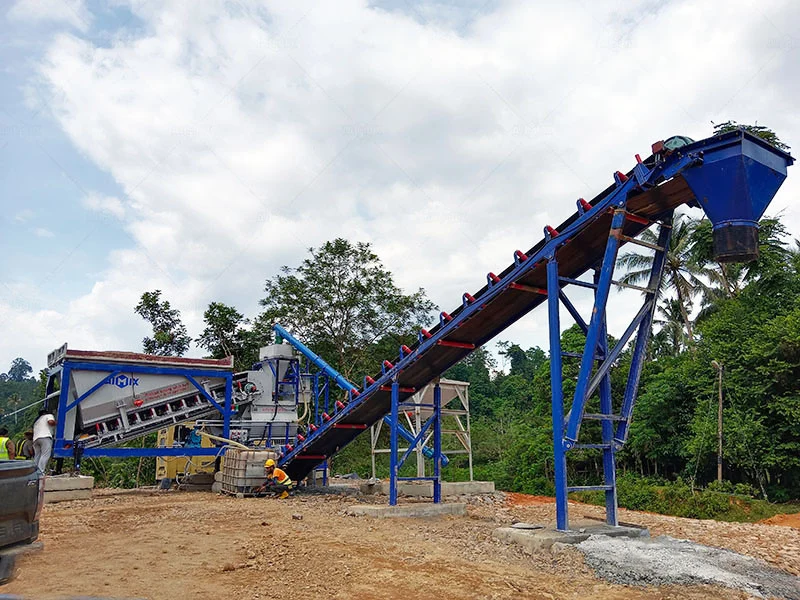
| Comparison Factor | Stationary Concrete Batching Plant | Mobile Concrete Batching Plant |
|---|---|---|
| Installation & Setup | Requires extensive site preparation and often heavy civil concrete foundations; installation may take weeks to months. | Requires simpler, minimal foundation preparation; installation typically takes hours to a few days. |
| Mobility & Relocation | Designed for long-term production at a fixed location. | Designed for transportation and relocation between job sites. |
| Production Capacity | Commonly available in high-capacity configurations for large-volume production.(e.g., 60–240+ m³/h). | Typically offers capacities suited to small, medium, and some large-scale projects.(e.g., 20–90 m³/h). |
| Site Layout & Footprint | Requires a larger, dedicated area for equipment and material storage. | Features a more compact layout for easier site deployment. |
| Material Storage | Supports larger aggregate storage, multiple cement silos, and extensive conveying systems. | Typically uses more compact material storage and handling systems due to the compact modular design |
| Initial Investment | Higher initial costs may result from foundations, site preparation, and supporting infrastructure. | Lower site preparation costs may reduce initial investment. |
| Operating Economics | Deliver a lower cost per cubic meter with high, long-term utilization. | Reduce costs for temporary projects or projects requiring frequent relocation. |
| Typical Applications | Ready-mix concrete production, precast production, dams, and long-term infrastructure projects. | Road construction, bridge projects, remote sites, and multi-site construction. |
Production Capacity and Concrete Output
Stationary concrete batching plants commonly offer rated capacities of around 60–360 m³/h, while many mobile concrete batching plants for sale are rated at approximately 25–90 m³/h. The available capacity range varies by manufacturer and configuration, and some models fall outside these ranges.
- Choose a stationary concrete plant when your project requires sustained, high-volume concrete production at a fixed location. Models rated at 60–360 m³/h may suit larger infrastructure projects or commercial concrete supply operations, depending on demand.
- Choose a mobile batching plant when you need to balance concrete output with installation and relocation flexibility. Models rated at 25–50 m³/h may suit smaller or medium-sized projects, while 60–90 m³/h models can support higher production requirements.
These figures represent rated or theoretical production capacity, not guaranteed actual output. Actual production depends on batching cycles, material feeding, concrete mix requirements, equipment configuration, and operating conditions. Compare rated output, mixer discharge capacity per batch, and expected hourly demand before selecting a concrete batching plant.
Installation, Foundation, and Relocation
Stationary and mobile concrete batching plants differ in their site preparation requirements, installation timelines, and relocation complexity. A stationary plant is generally better suited to long-term production at a fixed location, while a mobile concrete plant uses transportable or modular components to simplify deployment at successive project sites.
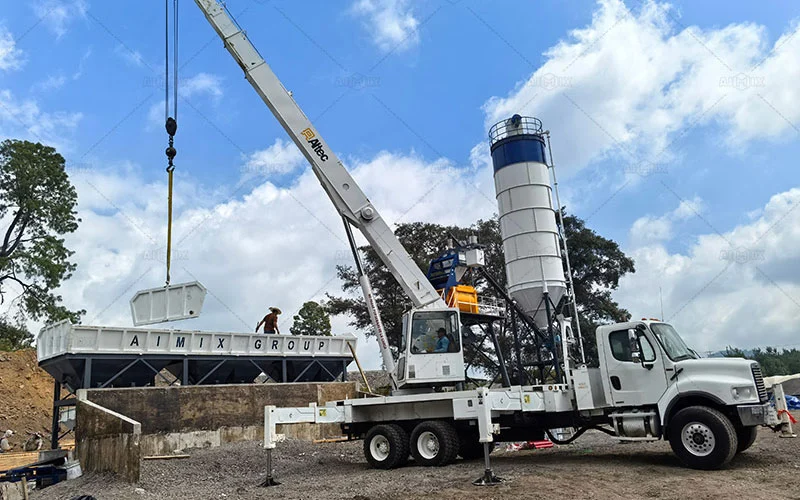
Stationary Concrete Batching Plant: Fixed-Site Installation Requirements
- Foundation and site preparation: Usually requires more extensive civil work, including engineered foundations where specified, aggregate storage areas, drainage, and access for concrete mixer trucks.
- Installation time: Allow approximately 4–6 weeks for equipment assembly and commissioning after the required foundations are ready. Foundation construction and concrete curing add extra time; the complete project may take several weeks or longer.
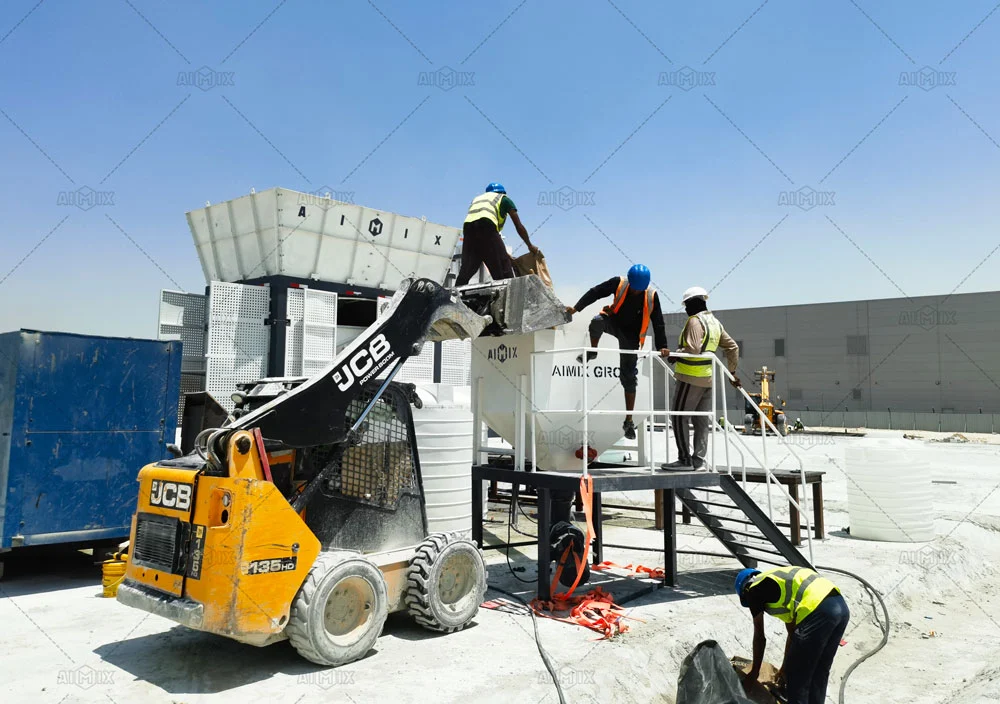
Mobile Concrete Batching Plant: Simplified Installation and Relocation
- Foundation and site preparation: Often requires less civil work, with some models designed for installation on level, load-bearing ground or a prepared concrete base. Separate cement silos and other auxiliary equipment may still require dedicated supports.
- Installation time: A factory-preassembled portable concrete plant may be ready for commissioning in approximately 1–3 days when the site is prepared. Larger modular configurations may take longer.
- Relocation: A compact, highly integrated plant may be mechanically dismantled and reassembled within 1 days, while larger systems with separate silos, conveyors, and weighing units can require several additional days. Transport, site preparation, utility reconnection, calibration, and commissioning extend the total relocation period.
These timelines are indicative rather than guaranteed. Neither plant type is necessarily ready to produce concrete immediately after delivery. Both require suitable ground, safe transport access, power and water connections, and any required assembly, weighing-system calibration, testing, and commissioning.
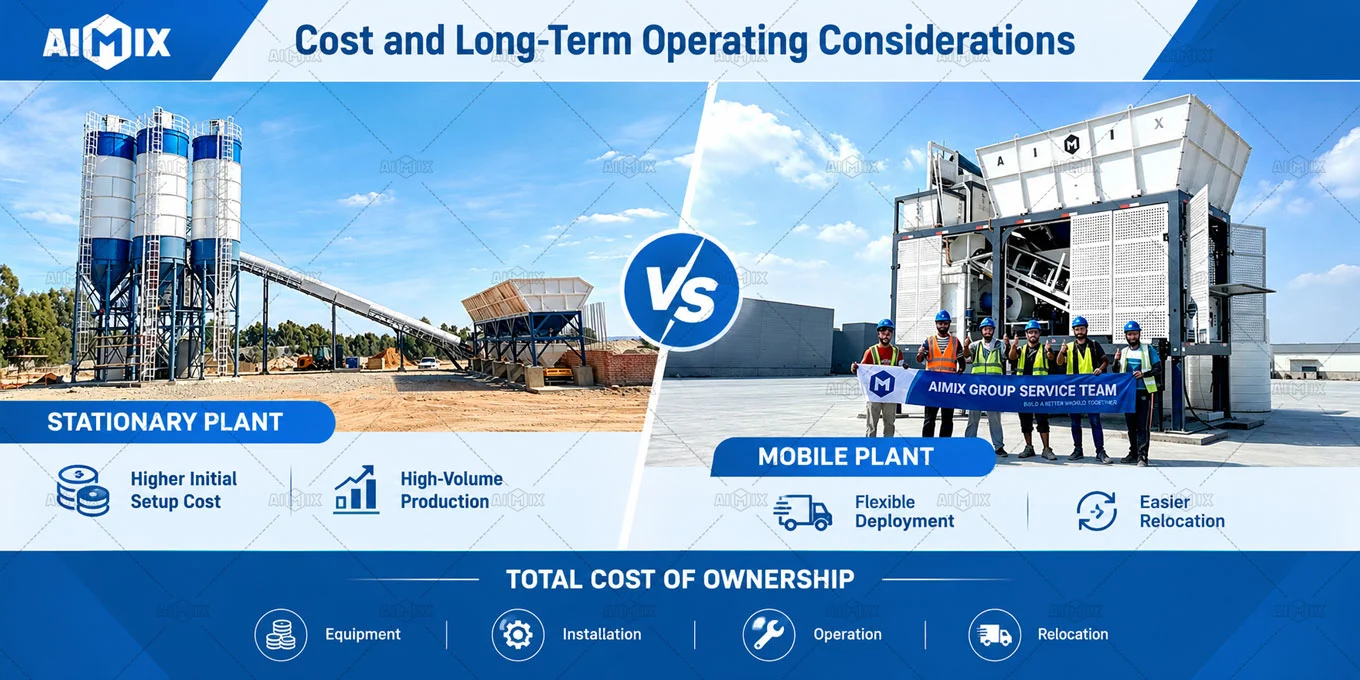
Cost and Long-Term Operating Considerations
A lower purchase price of concrete batching plant does not necessarily mean a lower total project cost. Compare the initial investment, operating expenses, expected utilization, and relocation requirements over the plant’s service life.
| Cost factor | Stationary batching plant | Mobile batching plant |
|---|---|---|
| Equipment purchase | May require higher investment for large-capacity configurations | May cost less for compact configurations |
| Site preparation costs | Often higher due to foundation and civil work | Often lower due to reduced civil work |
| Installation costs | May be higher due to more extensive assembly and construction | May be lower with preassembled designs |
| Production cost per m³ | May decrease with high, consistent production volumes | Depends on utilization, output, and operating efficiency |
| Relocation costs | Can be high if relocation becomes necessary | Generally lower for plants designed for repeated relocation |
| Expansion costs | May require additional investment in foundations and infrastructure | May require additional modules or replacement equipment, depending on capacity needs |
For a fair comparison, calculate the total cost of ownership over the expected project life, including equipment purchase, foundations, transportation, installation, labor, energy, maintenance, and any planned relocations. Include concrete delivery trucks or other supporting equipment when they are required by the project setup.
For a more meaningful comparison, divide the total estimated cost by the expected volume of concrete produced to estimate the cost per cubic metre (m³).
- The stationary batching plant may offer better value when production demand is high and consistent at one location, allowing the initial investment to be spread across a large volume of concrete.
- The mobile concrete batching plant may offer better value when projects are temporary or spread across multiple locations, particularly when easier relocation reduces the need for repeated permanent site installations.
Actual costs depend on the plant configuration, local construction costs, utilization rate, and project duration. Neither option is inherently cheaper in every situation.
Which Concrete Batching Plant Should You Choose – Stationary Or Mobile?
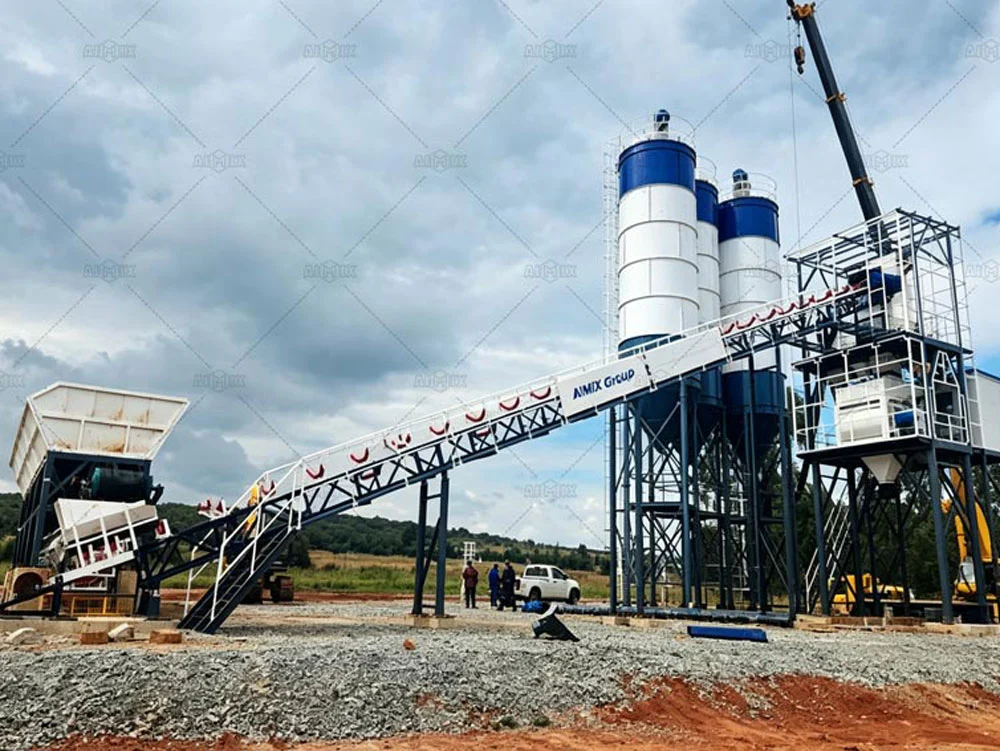
Choose a stationary batch plant if:
- You operate a ready mix concrete business or precast factory, or have a long-term infrastructure or precast concrete project.
- Concrete demand is high and consistent at one location.
- You need large material storage or room for future expansion.
- You expect to use the plant at the same site for an extended period.
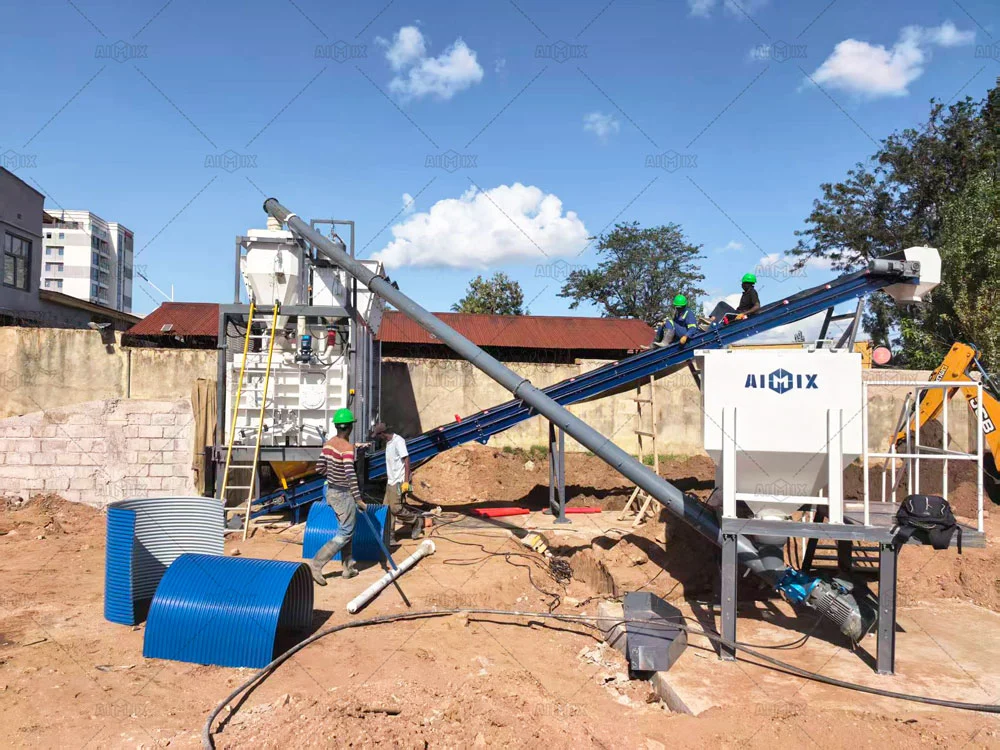
Choose a mobile concrete plant if:
- You move between road, bridge or other construction projects.
- Your project is temporary or located in a remote area.
- Project schedules make rapid deployment important.
- You want to minimize installation time and permanent civil works.
FAQs
Is a mobile concrete batching plant better than a stationary one?
Does a mobile concrete batching plant require a foundation?
Is a mobile concrete batching plant always cheaper?
Do stationary and mobile concrete batching plants produce the same quality of concrete?
Which plant is better for road construction?
Can both stationary and mobile batching plants be customized?
What maintenance differences exist between stationary and mobile concrete batching plants?
Mobile plants may also need additional checks on transport-related components, connections, and structural parts after relocation. Maintenance schedules should follow the manufacturer’s instructions and the actual operating conditions.